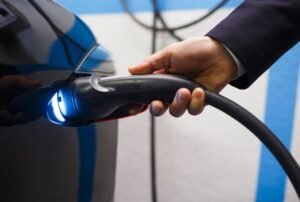
The automotive industry has experienced one of its most significant transformations in over a century. Once dominated entirely by internal combustion engines powered by gasoline and diesel, the landscape is now rapidly shifting toward electric vehicles (EVs) and hybrid technologies. The phrase “From Gas to Grid” encapsulates this monumental transition—a movement from fossil fuels to electricity, driven by environmental concerns, technological innovation, and changing consumer preferences. This revolution is not just about cars; it represents a profound shift in energy consumption, urban planning, and even global geopolitics.
The Dawn of Electric Vehicles
Electric vehicles are not new. In fact, EVs predate gasoline-powered cars. In the late 19th and early 20th centuries, electric cars were common in cities. They were quiet, easy to operate, and didn’t produce the fumes associated with gasoline engines. However, the limited range of early batteries and the mass production of gasoline cars by companies like Ford made electric cars almost obsolete by the 1920s. Gasoline engines promised longer travel distances, quicker refueling, and lower costs—advantages that electric cars of that era simply couldn’t match.
Fast forward to the 21st century, and the narrative has completely reversed. Advances in battery technology, coupled with concerns about climate change and air pollution, have reignited interest in EVs. Today’s electric cars are faster, more efficient, and capable of traveling hundreds of miles on a single charge. Major automakers and startups alike are investing billions into EV technology, marking the dawn of a new era for mobility.
The Environmental Imperative
One of the most compelling drivers behind the electric revolution is environmental sustainability. Traditional internal combustion engine vehicles contribute significantly to greenhouse gas emissions, air pollution, and climate change. Transportation alone accounts for nearly a quarter of global carbon dioxide emissions, with passenger vehicles representing a substantial portion of this figure.
Switching from gasoline to electric vehicles powered by renewable energy sources can dramatically reduce carbon footprints. EVs produce zero tailpipe emissions, and when charged from solar, wind, or hydroelectric power, they can operate with minimal environmental impact. Governments worldwide have recognized this potential, introducing stringent emission regulations, tax incentives, and subsidies to accelerate the transition from gas to grid.
Advances in Battery Technology
The evolution of electric vehicles is inseparable from advancements in battery technology. Early electric cars were constrained by lead-acid batteries that were heavy, inefficient, and offered limited range. Modern EVs, however, benefit from lithium-ion batteries that are lighter, more energy-dense, and capable of rapid charging.
Battery technology is improving at a staggering pace. Researchers are exploring solid-state batteries, which promise even higher energy density, faster charging, and enhanced safety. Improvements in battery longevity also reduce the environmental impact of battery production and disposal. The ongoing innovations in this field not only make EVs more practical for everyday use but also enhance their performance, bringing them closer to or even beyond the capabilities of traditional gasoline vehicles.
Charging Infrastructure: From Novelty to Necessity
A common concern for potential EV buyers is “range anxiety”—the fear of running out of power without access to a charging station. To address this, the development of charging infrastructure has become a critical component of the electric revolution.
Fast-charging networks are expanding rapidly, especially in urban centers and along major highways. Companies like Tesla, ChargePoint, and Electrify America are building thousands of charging stations to ensure convenient access. Moreover, innovations in wireless and ultra-fast charging could soon reduce charging times to mere minutes, rivaling the convenience of traditional gas stations. Governments are also incentivizing businesses and residential areas to install charging facilities, further integrating EVs into daily life.
Economic and Industrial Shifts
The shift from gas to grid has profound implications for the global economy. Traditional automotive supply chains, heavily reliant on internal combustion engines, are being disrupted. Electric vehicles have fewer moving parts, reducing the need for complex engine components, transmissions, and exhaust systems. This change is reshaping the automotive manufacturing landscape, creating opportunities for new players and challenging legacy automakers to adapt or risk obsolescence.
Additionally, the demand for critical minerals like lithium, cobalt, and nickel has surged. These materials are essential for EV batteries and energy storage systems, prompting investments in mining, recycling, and sustainable sourcing. Countries rich in these resources may gain geopolitical influence, while innovation in battery recycling and alternative materials could mitigate supply risks.
Consumer Adoption and Cultural Change
Consumer attitudes toward electric vehicles have shifted remarkably in recent years. Once perceived as niche or luxury products, EVs are now increasingly mainstream. Improved performance, lower maintenance costs, and environmental consciousness are driving adoption. Automakers like Tesla, Nissan, Chevrolet, and BMW are offering EV models across various price points, making them accessible to a broader audience.
Moreover, the cultural perception of driving is evolving. Electric cars are quiet, smooth, and technologically advanced, often featuring autonomous driving capabilities and connected systems. For younger, tech-savvy consumers, EVs represent not just a mode of transportation but a lifestyle choice aligned with sustainability, innovation, and smart living.
Policy and Global Impact
Governments play a pivotal role in accelerating the electric revolution. Countries like Norway, the Netherlands, and China have implemented aggressive policies to phase out gasoline vehicles, including subsidies, tax breaks, and zero-emission mandates. In the United States, federal and state incentives aim to make EVs more affordable and accessible.
The environmental benefits of widespread EV adoption extend beyond local air quality. Reducing dependence on fossil fuels helps mitigate climate change, reduce oil imports, and enhance energy security. As nations transition to cleaner energy sources, the global energy landscape may shift dramatically, emphasizing electricity generation, grid modernization, and renewable energy investment.
Technological Synergies: Smart Grids and Energy Storage
The rise of electric vehicles is closely linked to broader technological innovations in energy management. EVs are not just consumers of electricity; they can also act as distributed energy storage units. Vehicle-to-grid (V2G) technology enables cars to feed electricity back into the grid during peak demand, supporting grid stability and reducing the need for additional power plants.
Smart grids, which integrate renewable energy, demand-response systems, and real-time monitoring, complement the proliferation of EVs. By combining electric mobility with intelligent energy management, societies can reduce carbon emissions, enhance resilience, and create a more sustainable energy ecosystem.
Challenges on the Road Ahead
Despite tremendous progress, the journey from gas to grid is not without challenges. Battery production still involves environmental and ethical concerns, including mining impacts and labor practices. Charging infrastructure, while expanding, remains uneven, particularly in rural or underdeveloped areas. Moreover, the transition places pressure on traditional automotive jobs and supply chains, requiring workforce retraining and industrial adaptation.
Energy grids must also evolve to handle the growing demand from electric vehicles. Integrating renewable energy sources, expanding storage capacity, and modernizing transmission networks are essential to prevent strain and ensure reliable power supply.
The Future of Mobility
The electric revolution is just one aspect of a broader transformation in mobility. Autonomous vehicles, shared mobility services, and integrated urban transport systems are converging to redefine how people move. EVs are likely to dominate city streets, highways, and even long-distance travel, but their true potential emerges when combined with other innovations.
Imagine a future where self-driving electric vehicles operate as part of a smart, interconnected transport network, powered entirely by renewable energy. Such a system could reduce congestion, lower emissions, and make transportation more efficient, equitable, and sustainable.
Conclusion
The journey from gas to grid represents a profound shift in transportation, energy, and society. Electric vehicles are no longer futuristic concepts—they are the present and the future of mobility. With continued advancements in battery technology, charging infrastructure, renewable energy, and policy support, the electric revolution promises to reshape the way we drive, live, and interact with our environment.
This transition is not merely technical; it is cultural, economic, and ecological. It challenges long-standing norms, creates new opportunities, and underscores the urgency of sustainable innovation. The road ahead may have obstacles, but the momentum toward a cleaner, more electrified future is undeniable. As cars evolve from engines to energy storage systems, the era of electric mobility signals a broader revolution—one that moves society from the age of fossil fuels into a future powered by clean, renewable energy.
In this electric revolution, every charge, every innovation, and every policy shift brings the world closer to a future where transportation is not only convenient and efficient but also sustainable. The shift from gas to grid is more than a technological transformation—it is a revolution that could define the next century of human mobility.