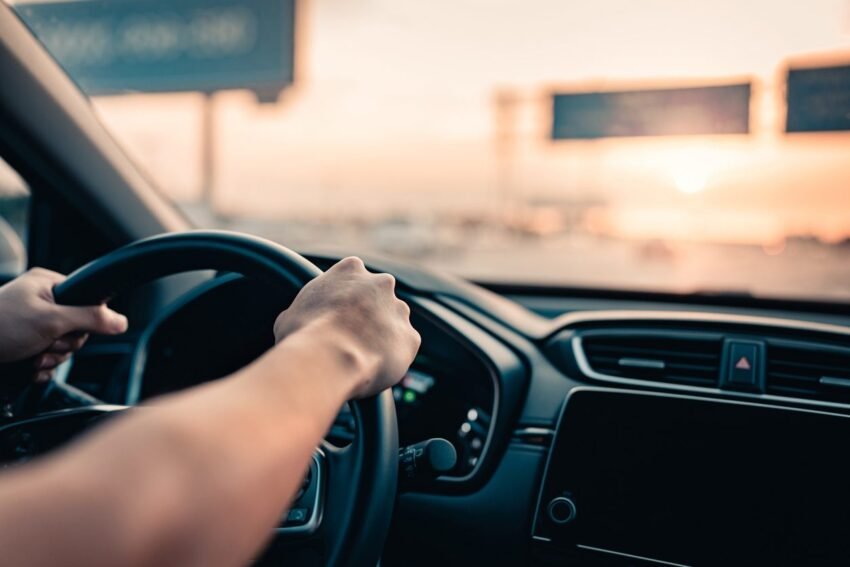
Driving is often perceived merely as a functional activity—a means of transportation from point A to point B. However, beneath the hum of the engine and the rhythmic motion of the wheels lies a profound interplay of art and emotion. The act of driving transcends its utilitarian purpose, evolving into a dynamic experience that engages the senses, stirs emotions, and fosters a unique connection between the driver and the road. This exploration delves into the multifaceted nature of driving, examining how it serves as a canvas for artistic expression and a conduit for emotional resonance.
The Aesthetic Canvas of the Road
The road itself is a canvas, and the vehicle is the brush that paints a journey. The design of a car, from its sleek contours to its interior ambiance, contributes to the aesthetic experience of driving. The tactile feedback of the steering wheel, the sound of the engine, and the visual cues from the dashboard create a sensory symphony that enhances the driving experience. For many, driving a well-crafted vehicle is akin to engaging in a form of art, where the road becomes a stage for the performance.
Moreover, the environment through which one drives adds layers to this aesthetic experience. The changing scenery—from bustling cityscapes to serene countryside—offers a dynamic backdrop that influences the driver’s mood and perception. The interplay of light and shadow, the colors of the sky, and the textures of the landscape all contribute to the visual artistry of the journey.
Emotional Resonance Behind the Wheel
Driving is not just a physical activity; it is an emotional journey. The act of controlling a vehicle can evoke a spectrum of emotions, from the exhilaration of acceleration to the tranquility of a quiet drive. Research indicates that a driver’s emotional state significantly influences their driving behavior and decisions. For instance, negative emotions such as anger or frustration can impair judgment and reaction times, while positive emotions can enhance alertness and responsiveness.
The emotional connection to driving is also evident in the use of music. The choice of soundtrack can profoundly impact a driver’s mood and driving style. Upbeat tunes may invigorate and energize, while mellow melodies can soothe and calm. This relationship underscores the symbiotic link between auditory stimuli and emotional states during driving.
The Role of Technology in Shaping the Driving Experience
Advancements in automotive technology have further enriched the emotional and artistic dimensions of driving. Modern vehicles are equipped with systems that adapt to the driver’s emotional state, offering personalized experiences. For example, some cars can adjust lighting, seat positioning, and even the responsiveness of the steering wheel based on detected stress levels, creating a more harmonious driving environment.
Additionally, innovations like augmented reality dashboards and emotion-aware navigation systems are transforming how drivers interact with their vehicles. These technologies not only provide functional benefits but also enhance the emotional connection between the driver and the car, making driving a more immersive and personalized experience.
Artistic Expressions on the Road
Beyond the vehicle itself, the road infrastructure has become a medium for artistic expression. Projects like musical highways, where rumble strips are designed to play melodies as vehicles pass over them, exemplify how roads can be transformed into interactive art installations. These initiatives not only beautify the driving experience but also engage drivers in a multisensory manner, turning a routine journey into a delightful exploration of sound and motion.
Such artistic endeavors highlight the potential for roads to serve as cultural canvases, reflecting the values and creativity of a community. They invite drivers to experience the road not just as a path to a destination but as a space for artistic engagement and emotional reflection.
The Psychological Impact of Driving
The psychological effects of driving are profound and multifaceted. For many, driving offers a sense of freedom and autonomy, providing a temporary escape from the constraints of daily life. The solitude of the road can facilitate introspection, allowing individuals to process thoughts and emotions in a private setting.
Conversely, driving can also be a source of stress and anxiety, particularly in congested traffic or challenging driving conditions. The ability to navigate these challenges successfully can foster a sense of accomplishment and resilience, contributing to personal growth and emotional well-being.
Cultural Perspectives on Driving
Cultural attitudes toward driving vary globally, influencing how individuals perceive and engage with the act of driving. In some cultures, driving is seen as a rite of passage, symbolizing independence and maturity. In others, it may represent a status symbol or a means of social mobility.
These cultural perspectives shape the emotional and artistic dimensions of driving, affecting how roads are designed, how vehicles are marketed, and how driving is portrayed in media and art. Understanding these cultural nuances enriches our appreciation of driving as a complex interplay of function, art, and emotion.
The Future of Driving as an Artistic and Emotional Experience
Looking ahead, the future of driving promises even more opportunities for artistic and emotional engagement. As autonomous vehicles become more prevalent, there is potential for reimagining the driving experience as a form of entertainment or relaxation, with interiors designed to enhance comfort and aesthetic pleasure.
Furthermore, the integration of virtual and augmented reality technologies could transform how drivers perceive and interact with their environment, offering immersive experiences that blend the physical and digital realms. These innovations hold the promise of making driving not just a means of transportation but a rich, emotionally resonant experience that engages all the senses.
Conclusion
Driving is far more than a mechanical task; it is a dynamic fusion of art and emotion. From the design of the vehicle to the sensory experiences of the journey, driving engages individuals in a multifaceted dialogue between technology, environment, and self. As we continue to innovate and reimagine the possibilities of driving, it is essential to recognize and cultivate its potential as a profound artistic and emotional experience. In doing so, we can transform the act of driving into a symphony of movement, sound, and feeling, enriching our lives and our connection to the world around us.